
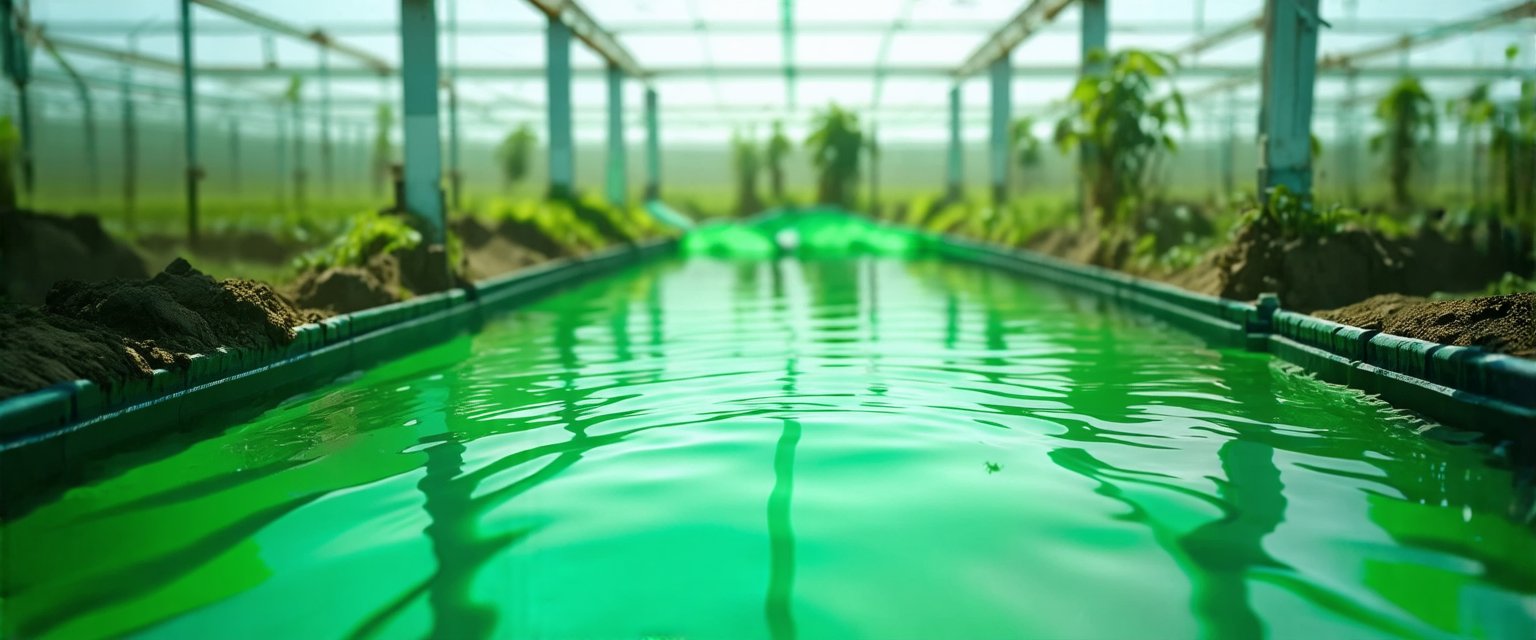
Spirulina, the blue-green algae celebrated for its potent health benefits, is more than just a dietary supplement; it represents a broader conversation about sustainability in agriculture. As global demand for spirulina grows, so does scrutiny over how and where it’s produced. Key players in spirulina production, such as China and India, highlight stark differences in their approaches, with implications for both the environment and product quality.
A Superfood Under the Microscope
Spirulina is rich in protein, vitamins, antioxidants, and bioactive compounds like phycocyanin. Research supports its role in reducing oxidative stress, bolstering immunity, and potentially aiding in the management of chronic diseases. While these benefits are universally acknowledged, the sustainability of spirulina production remains unevenly addressed globally.
Contrasting Production Practices
China, the largest producer of spirulina, has made strides in production efficiency, notably through open raceway ponds and greenhouse technologies. However, these systems can be resource-intensive and prone to contamination from external pollutants, raising concerns about environmental impact and product integrity. Critics argue that despite high yields, these methods often fall short in addressing sustainability.
In contrast, India’s spirulina farms have adopted practices that prioritize eco-conscious methods. Many farms utilize renewable energy sources, closed-loop water systems, and organic fertilizers, which minimize resource consumption and environmental degradation. Indian farms also benefit from climatic conditions favorable for year-round production, reducing the need for artificial energy inputs.
Government-Backed Sustainability
The Indian government has actively supported spirulina cultivation through subsidies and training programs. These initiatives not only make spirulina farming accessible to rural communities but also emphasize sustainable methods. Programs educating farmers on energy-efficient aeration and organic nutrient sourcing have been pivotal in aligning production with sustainability goals.
This proactive approach contrasts with China’s focus on scaling up production without equivalent emphasis on eco-friendly methodologies.
Why It Matters
Choosing spirulina sourced from India over other global producers, including China, aligns with consumer priorities for a sustainable and transparent supply chain. The sustainable practices employed by Indian farms help reduce the environmental footprint of spirulina production while ensuring high-quality output. For consumers and companies keen on supporting ethical and eco-conscious farming, sourcing spirulina from India represents a meaningful choice.
Looking Ahead
As the spirulina market continues to grow, the challenge lies in balancing production with environmental stewardship. India’s model demonstrates that profitability and sustainability can coexist, offering a blueprint for global spirulina cultivation. For producers and consumers alike, the story of spirulina is a reminder that how we grow our food is as important as what we grow.