
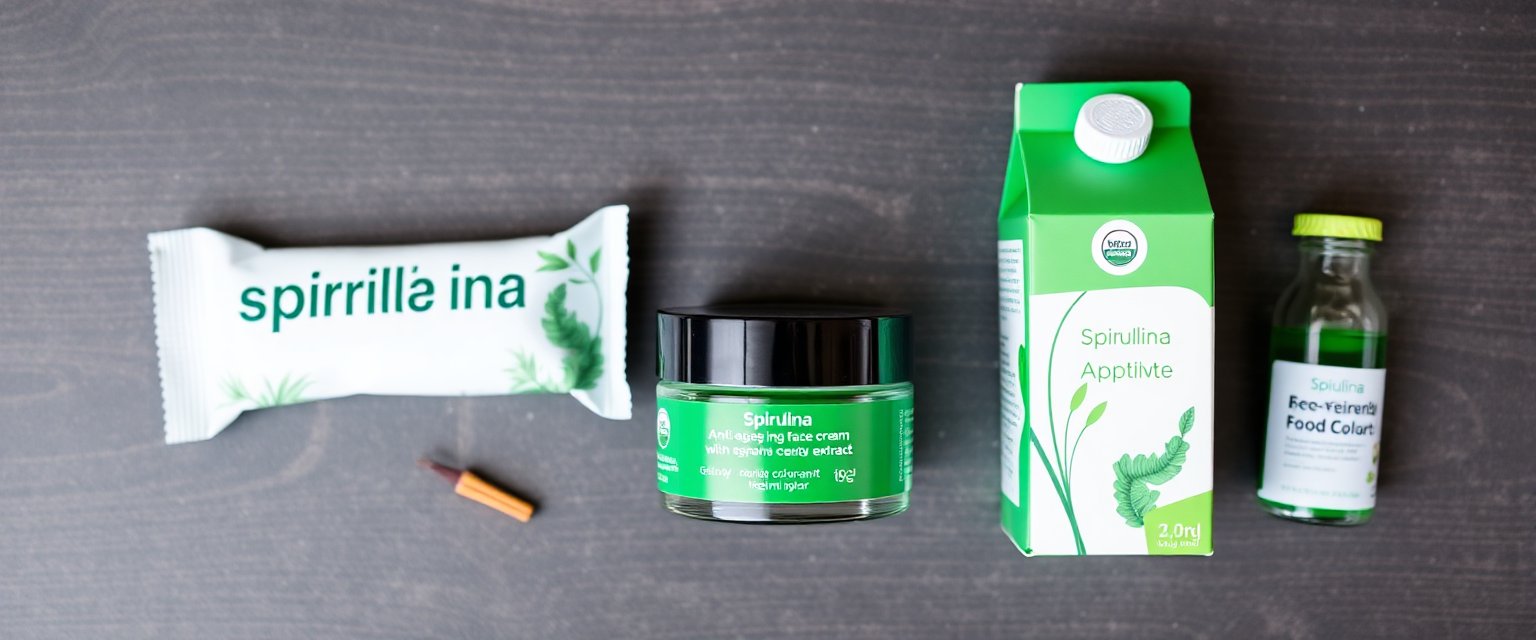
Spirulina, a nutrient-packed blue-green algae, has become a focal point in global efforts to create sustainable food and health solutions. With its high protein content (up to 70% dry weight), essential vitamins, and eco-friendly production methods, spirulina is not only hailed as a “superfood” but also a versatile raw material for various industries. Startups worldwide are leveraging its potential, driving innovation in food technology, cosmetics, agriculture, and even bio-packaging.
The Growth of Spirulina Startups
Food and Nutrition:
Livegreen (Italy) has pioneered methods to preserve spirulina’s nutrient density, creating products ranging from vegan protein supplements to natural food colorants and bioplastics. Their innovations highlight spirulina’s versatility as a sustainable ingredient in diverse consumer goods.
Algama (France) focuses on replacing animal proteins with spirulina in food products, such as egg-free mayonnaise. Their success underscores spirulina’s potential in plant-based diets.
Sustainability and Agriculture:
Fraunhofer ISE developed an aquavoltaic system combining spirulina cultivation with solar energy, reducing electricity consumption in aquaculture systems. This innovation represents a step toward integrating renewable energy with sustainable farming practices.
In Kenya, community-driven initiatives like those supported by Earthrise Nutritionals are cultivating spirulina to combat malnutrition while generating local employment opportunities.
Health and Cosmetics:
Spirulina’s bioactive compounds, such as phycocyanin, are gaining traction in cosmetics. Startups like Euglena Co. Ltd. are integrating spirulina into anti-aging skincare products, tapping into its antioxidant properties.
Biodegradable Packaging:
Companies are exploring spirulina-derived bioplastics as an alternative to conventional plastics. Spirulina’s polymer-like properties offer potential for creating eco-friendly materials.
A Growing Market Ripe for Startups to Capture
The global spirulina market is expected to reach $968 million by 2027, growing at a compound annual growth rate (CAGR) of 10%. This growth is driven by rising consumer demand for plant-based nutrition and sustainable products. Spirulina’s low water usage and non-reliance on arable land further bolster its appeal in combating climate change and food insecurity.